Factory and manufacturing floor cleaning
Factory floors are cleaned to a standard, not just an appearance. We sweep product dust, swarf and packaging debris with filtered machines, scrub the areas where product is handled, and work to your access and hygiene rules — with dated attendance records you can put in front of an auditor.
Written by the Contract Sweeping operations team · Reviewed by Mark Scull, 30 years in commercial cleaning · Updated 14 September 2026
A factory floor is an audit item
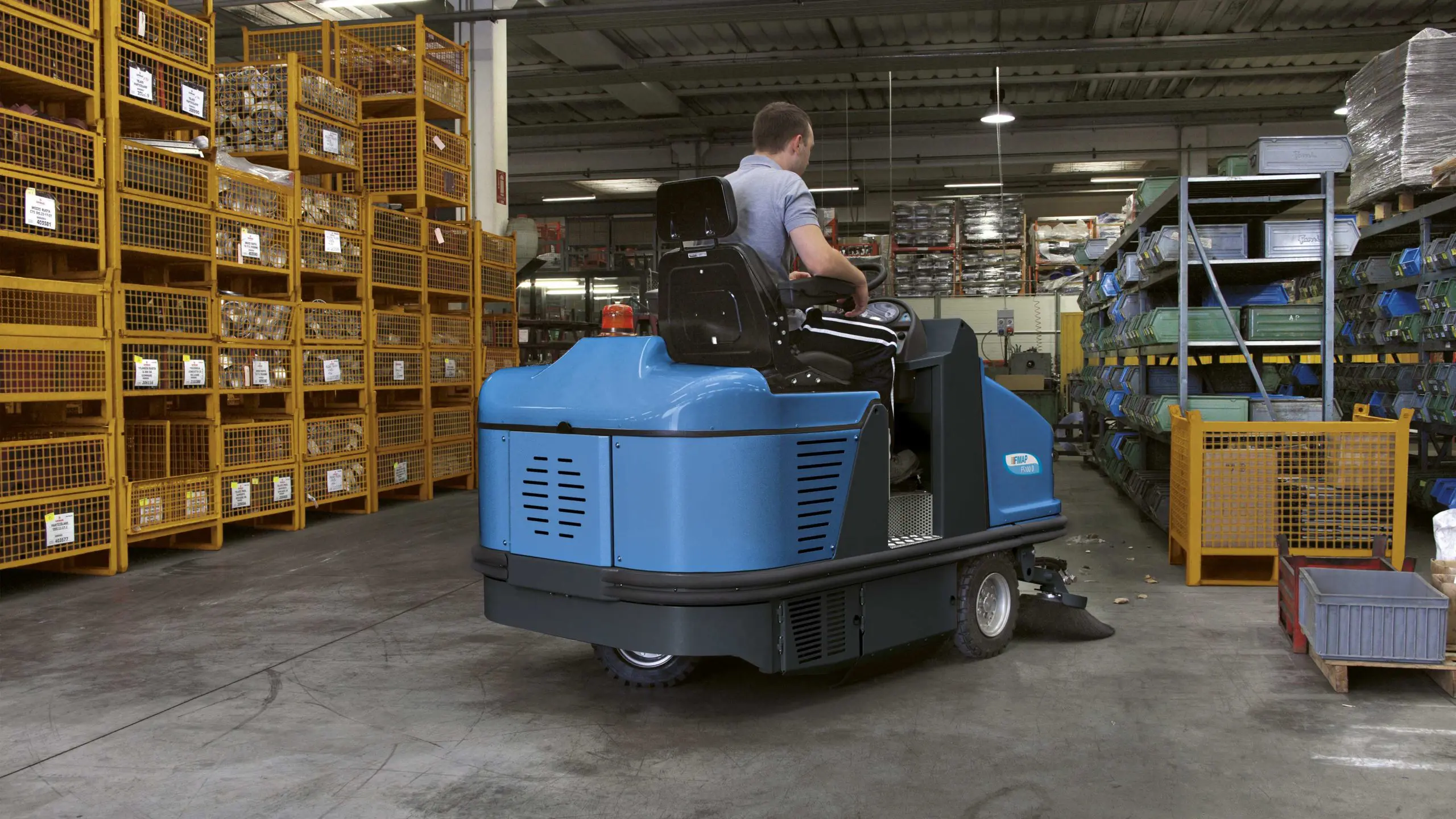
Manufacturing generates its own debris, and what it is decides how the floor gets cleaned. Metal fabrication puts swarf and grinding dust on the ground. Food production puts flour, sugar, husk and spill residue. Building-supply plants put sand, cement dust and timber. None of it is ordinary dirt, and most of it is either a slip hazard, a respiratory hazard or a contamination risk.
The other difference is that somebody checks. Food-safety audits, HACCP programs and internal WHS inspections all look at the floor, and "we sweep regularly" is a weaker answer than a dated record of machine attendance.
Filtered sweeping first, targeted scrubbing second
Everything starts with a filtered sweep. Dry brooming a production floor puts fine product dust back into the air and onto surfaces, which is exactly the opposite of what a hygiene program wants. A machine sweeper draws the working air through a filter and takes the debris off site in a hopper.
Scrubbing is then targeted rather than blanket. Where product is handled, spilled or walked through, sealed floors get scrubbed so the residue is removed rather than smeared. Brushes rather than pads are used where the deck has to be stripped and sanitised.
Plant rooms, dock aprons and external hardstand are swept on the same visit, because they are the source of what walks back inside.
What we leave you with
Every visit is logged: date, areas covered, machine used and anything we found that you should know about — a damaged floor seal, a blocked drain, a bay we could not access.
That log is the thing auditors respond to. It converts cleaning from an assurance into evidence, and it costs nothing extra because we are recording the run anyway.
Questions we get asked
Can you work around production?
Yes. Most factory work runs between shifts, at shutdown, or in a rolling pattern that follows your production schedule. Operators are site inducted and work to your hygiene and PPE rules.
Will sweeping put product dust into the air?
Not with a filtered machine — that is the entire point of using one. Dry brooming is what puts respirable dust back into the breathing zone and onto surfaces.
Do you clean food-production areas?
We clean the hard floors, docks and surrounds to your rules and hygiene requirements. Specialist food-contact sanitation is a separate discipline and we will say so rather than overstate what a machine does.
Can you provide records for our audit?
Yes. Dated attendance and scope records per site, supplied on request as part of the supplier pack.
Get your factory floor assessed
Free site walk, written quote within one business day, and a cleaning record from the first visit.