
What drives the cost of commercial sweeping and scrubbing?
Six variables set the price: the area in square metres, the frequency, the access window, the surface type, the volume and weight of debris, and the machine the site needs. We do not publish a rate card because the same square metre can cost twice as much on a night shift as it does on a scheduled weekday run — so every site is priced after a free site walk.
Written by the Contract Sweeping operations team · Updated 14 September 2026
The six things we measure before quoting
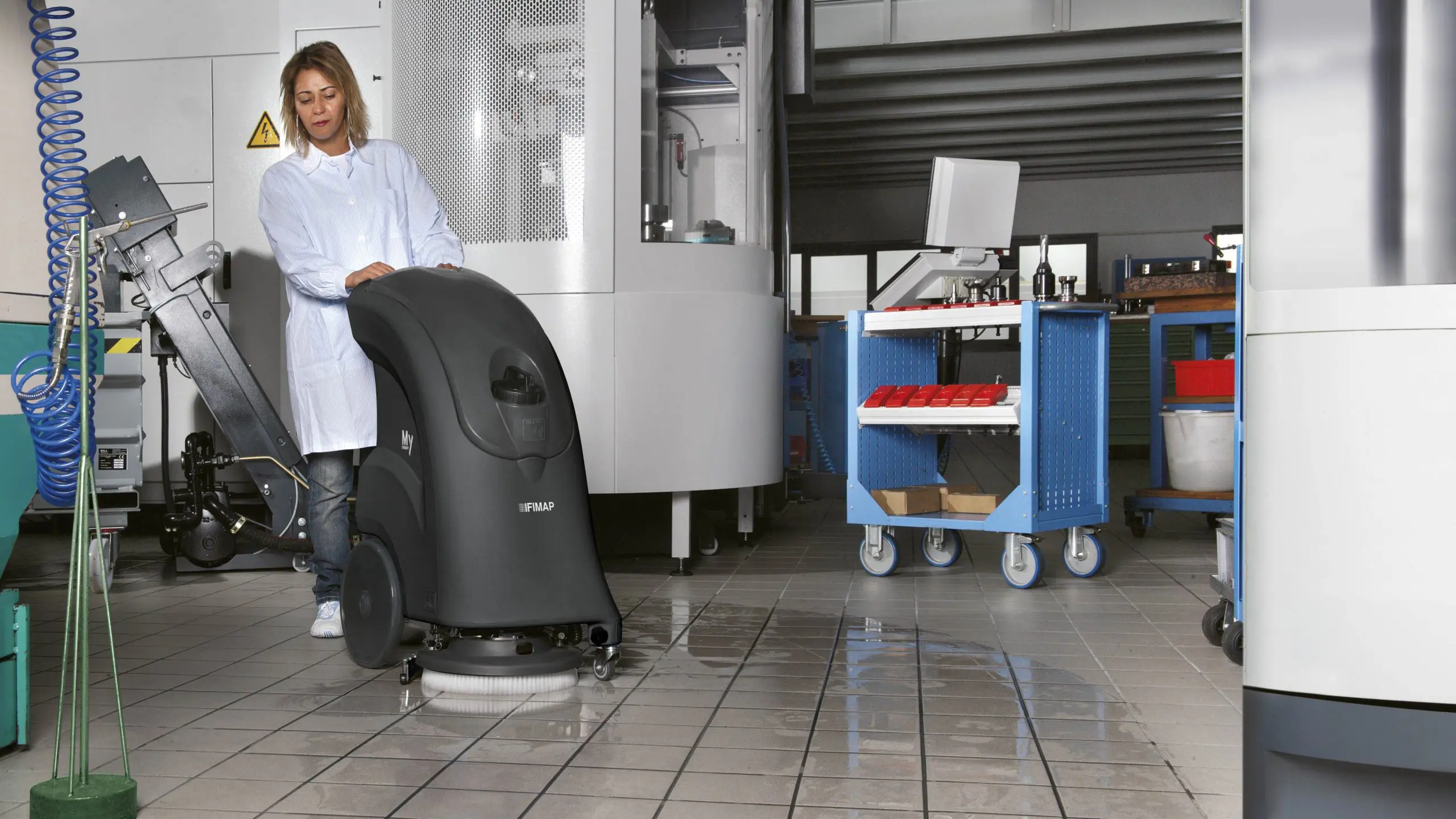
1. Area. Measured, not estimated. Machine cleaning is priced closer to square metres per hour than to hours, so a large open floor is cheaper per square metre than the same area broken up by racking, columns and parked vehicles.
2. Frequency. The single biggest lever. A site on a scheduled cycle is quoted at route rates because the machine and operator are already committed to that day. The identical job as an urgent standalone callout costs more, and always will.
3. Access window. A weekday daytime clean is the cheapest. Nights, weekends and before-trade starts carry a premium because the labour does. If your site can release the floor during business hours, say so — it is the easiest saving on the table.
4. Surface. Sealed concrete and epoxy scrub quickly. Unsealed concrete, bitumen and pavers are swept only. Damaged or heavily porous surfaces take longer and wear consumables faster.
5. Debris type and volume. Fine dust is fast. Stone, sand, clay and packaging fill a hopper, and every hopper stop is unproductive time. A gritty yard genuinely costs more per square metre than a clean warehouse floor.
6. Machine required. Hand-held and walk-behind machines are slower but reach tight areas. Ride-on and truck-mounted machines cover ground fast but need space and access. The right machine for your site is the one that finishes in the fewest hours, not the biggest one available.
Our quoting method, in order
Site walk. Free, no obligation. We measure the areas, look at the surface and the debris, note the access constraints and agree the window with whoever runs the site.
Machine and time estimate. We work out which machine suits the site and how long a pass takes in practice — including hopper stops, water fills and moving between areas.
Frequency recommendation. We tell you the cycle the site actually needs. On some sites that is a longer cycle than you expected. On others the honest answer is that fortnightly will always look like it has failed, and weekly is the real requirement.
Route check. If your site sits on an existing run, the rate reflects it. This is why our area pages list the suburbs we are in each week.
Written quote. Back within one business day of the walk, with the scope, the frequency, the window and the inclusions written down.
We will also tell you when a machine is the wrong answer — a small area serviced monthly may genuinely be better handled by your own team, and we would rather say so than book an inefficient visit.
Five ways to bring the number down
Move to a schedule. Reactive cleaning is the most expensive way to buy this service.
Group your sites. Multiple sites in one area on one day is materially cheaper than the same sites on separate days.
Open the window. Daytime access, or a wider window, gives us room to schedule efficiently.
Clear the floor. Pallets, cages and parked vehicles left in the cleaning area are the most common cause of a longer visit than quoted.
Sweep before you scrub. Grit left on a floor wears scrubber pads out early. The combined visit costs less than the consumables do.
Questions we get asked
Why will you not publish prices?
Because a published rate would be wrong for most sites. The same 5,000 square metres can differ by a factor of two depending on access window, surface and debris. We would rather walk the site and give you a number that holds.
Is there a minimum charge?
There is a practical minimum: a machine, an operator and a truck have to attend. Small sites are best grouped with other nearby work on the same day, which is how we keep them viable.
Do you charge for the site assessment?
No. The site walk and the written quote are free, with no obligation.
Are consumables and waste disposal included?
Brushes, pads, detergent and water are ours. General sweepings normally go into your site waste stream by agreement; contaminated or heavy construction material is handled separately and priced accordingly.
Can we get a fixed monthly figure?
Yes — most contract clients prefer one. A set cycle converts to a flat monthly invoice, which is easier for budgeting than a per-visit charge.
Get your site measured and quoted
Free site walk, with the written quote back inside one business day.